
India has 32 Crore cattle.
Yet dairy productivity
remains critically low.
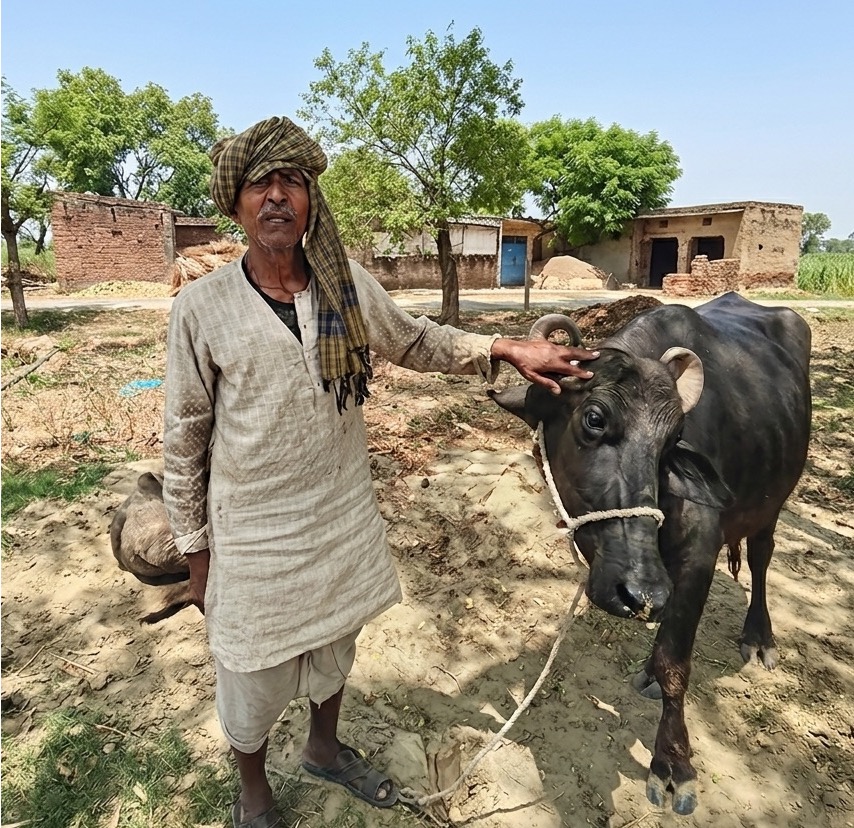
Across 8 Crore smallholder dairy households - from the plains of Uttar Pradesh to the farms of Maharashtra - the same silent problem repeats. Farmers own 2–3 cattle. Dairy income accounts for up to 30% of rural household earnings. And yet, cattle produce far below their potential: low milk volume, low fat & SNF content. Because they simply aren’t being fed right!
8 Crore
Dairy Farming Families
30%
Rural Income from Dairy
40%
Green Fodder Deficit
The Root Causes
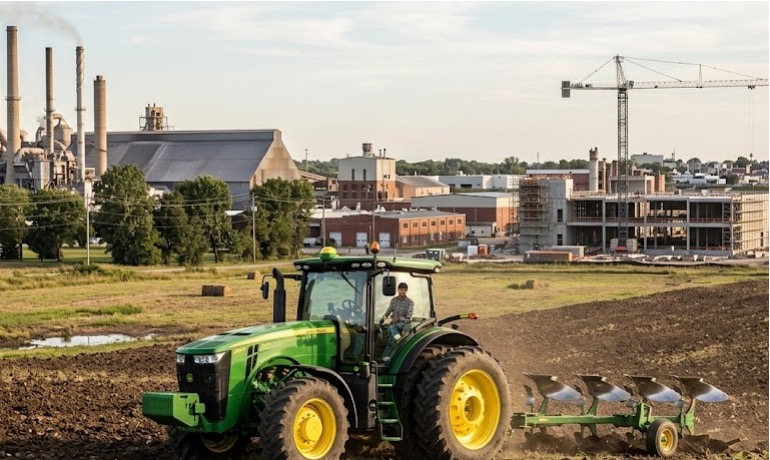
Land Scarcity
Smallholders rarely have spare acreage for fodder cultivation on top of food crops.
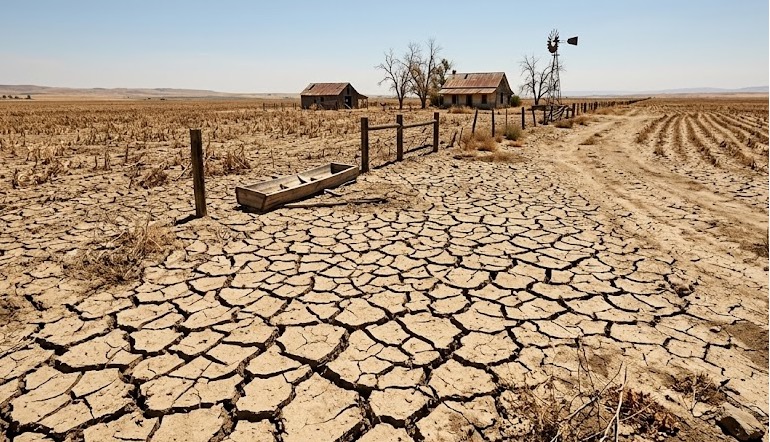
Water Scarcity
Traditional fodder crops are water-intensive - a luxury in times when water availability is low.
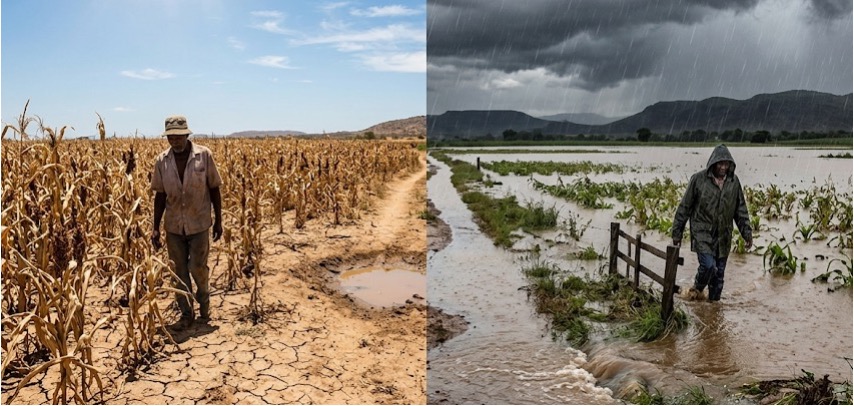
Climate Unpredictability
Erratic monsoons and heat stress cause seasonal fodder shortages year-round.
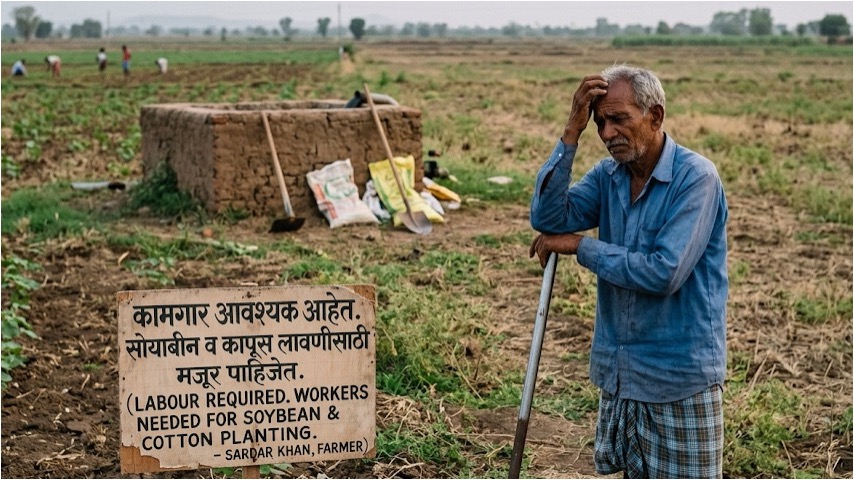
High Labour Costs
Growing & harvesting green fodder is labour intensive. Increasingly unviable. Women in household entrusted with the physical labour.
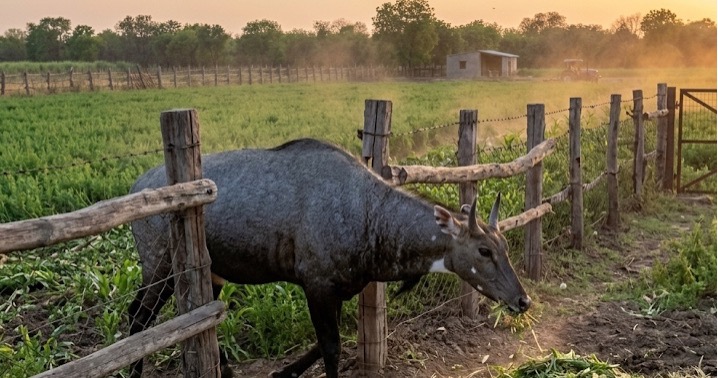
Stray Animal Menace
Stray animals raiding standing crops further reduces available fodder and adds supply unpredictability.
Milk yield per animal — global comparison (litres / year)
India is the world’s largest milk producer by total volume, yet ranks among the lowest in per-animal yield; a gap that nutrition can directly address.
The green fodder deficit is structural — traditional farming cannot solve it alone.
But hydroponics can.
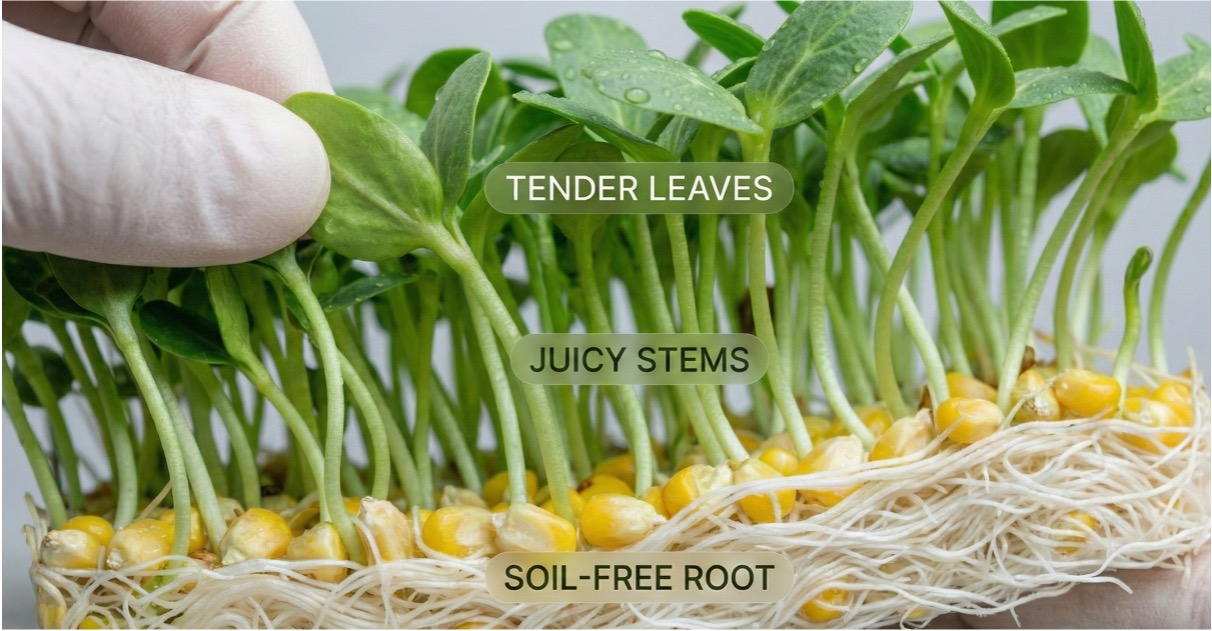
Nutrient-dense hydroponic green fodder - grown in just 10 days!
Hydroponically Grown Fodder:
More Nutrition. Less Everything Else.
Hydroponic fodder: Fresh green sprouts grown in controlled, soilless systems. Delivers the nutrient density cattle need, without the land, water and weather constraints that make traditional fodder impossible for most farmers.
18–24%
Crude Protein
5%
Crude Fat
11.5%
Crude Fiber
100%
Chemical Free
Fraction of the Land
Traditional fodder cultivation needs acres. A hydroponic system produces 1 MT of green fodder volume everyday in just 3,500 square feet — stackable, vertical and soil-free.
Minimal Water Usage
Traditional green fodder crops consume 50+ litres of water per kg of yield. Hydroponic systems require much lower water, just to keep the grain moist — a game-changer for water-stressed regions.
365-Day Supply
No monsoon dependency. No seasonal gaps. Controlled-environment hydroponic systems produce consistent, high-quality green fodder every single day, regardless of climate.
Without Hydroponic Fodder
- close Green fodder deficit up to 40% — cattle nutrition perpetually compromised
- close High dependence on expensive concentrates to compensate for poor diet
- close Seasonal availability — silage quality inconsistent, supply unreliable
- close Sub-optimal milk yield and Fat content. Also deteriorating fertility and cattle lifespan
With Hydroponic Fodder
- check_circle 18–24% crude protein - exceeds the nutrition of most field-grown fodder varieties
- check_circle Grown in a fraction of the area, using 95% less water than conventional methods
- check_circle Daily, climate-proof supply — no seasonal gaps, no quality inconsistency
- check_circle Improved milk fat, volume, fertility, and cattle longevity - measurable ROI
Choose the Pathway That Fits You!
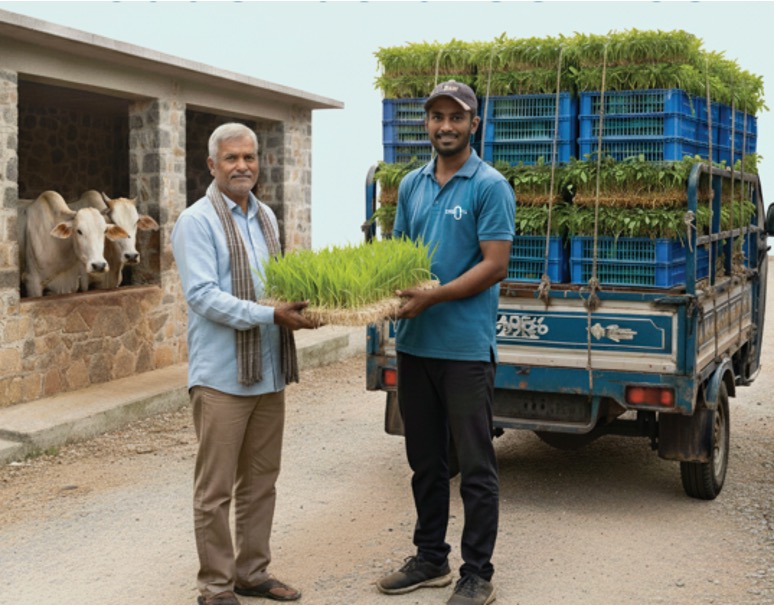
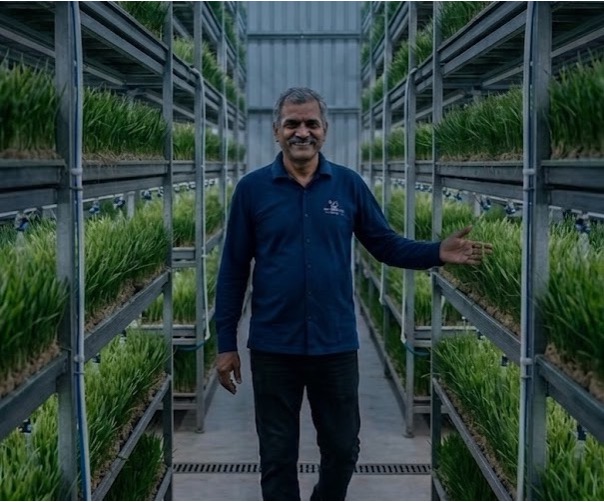
Do you want to receive fodder, grow it yourself or improve an existing system? Our digital-first solutions are designed to scale with your ambition.
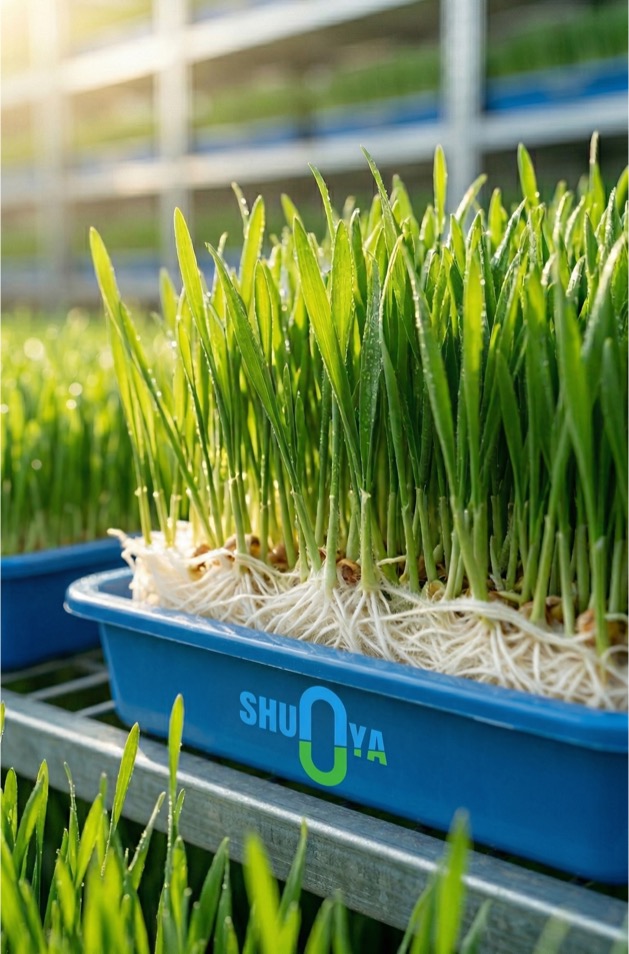
Three Strategic Pathways
One Platform.
Three Pathways.
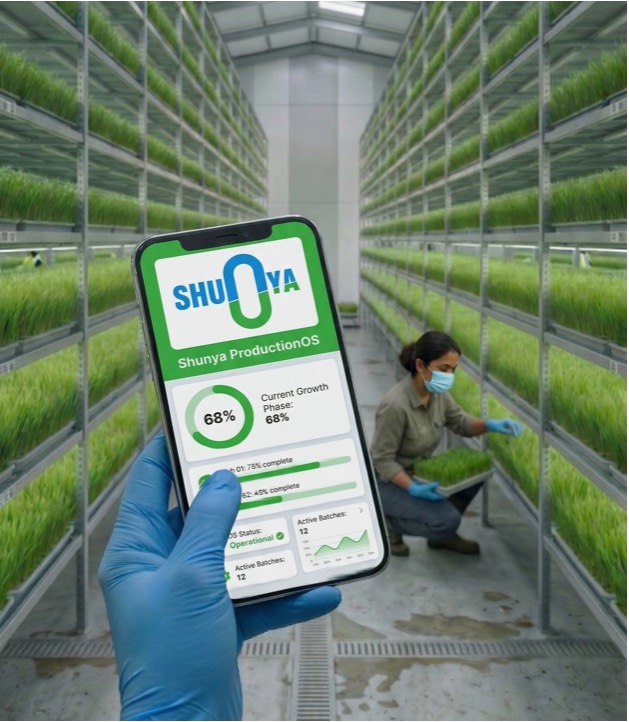
Regardless of the path you choose, Shunya Agritech provides a unified scientific foundation. Every gram of fodder is tracked, tested, and optimized through our ProductionOS.
100%
Chemical Free
24/7
Quality Monitoring
Nutrient Science
Customized mineral profiles for specific cattle breeds.
IoT Integration
Real-time data flow from soil to silos to the dairy farm.